
Photography Strategies for Interior Design Magazines
Creating images that start the conversation with writers and editors
Investing in high-quality photography of your projects puts you in a strong position when pitching to editors and features writers. As an interior design photographer, I have years of experience producing images for publication and my clients have been featured in numerous magazines. My job is to capture editorial-ready imagery of your projects to help get your work featured in industry-leading publications.
“An Editorial Eye" Shooting for the page
Before each job, I discuss the project with the designer and decide on the focus of the shoot. With a clear brief I can then ensure I capture the aspects of the project that tell the story of the design and property. This helps when pitching to editors and feature writers who are not just looking for pretty pictures; they are looking for an angle for their feature.
Whether it is a Country Escape or City Sanctuary, a complete renovation or delicate elevation, the final images give the magazines a clear narrative of the design intent for each individual project.
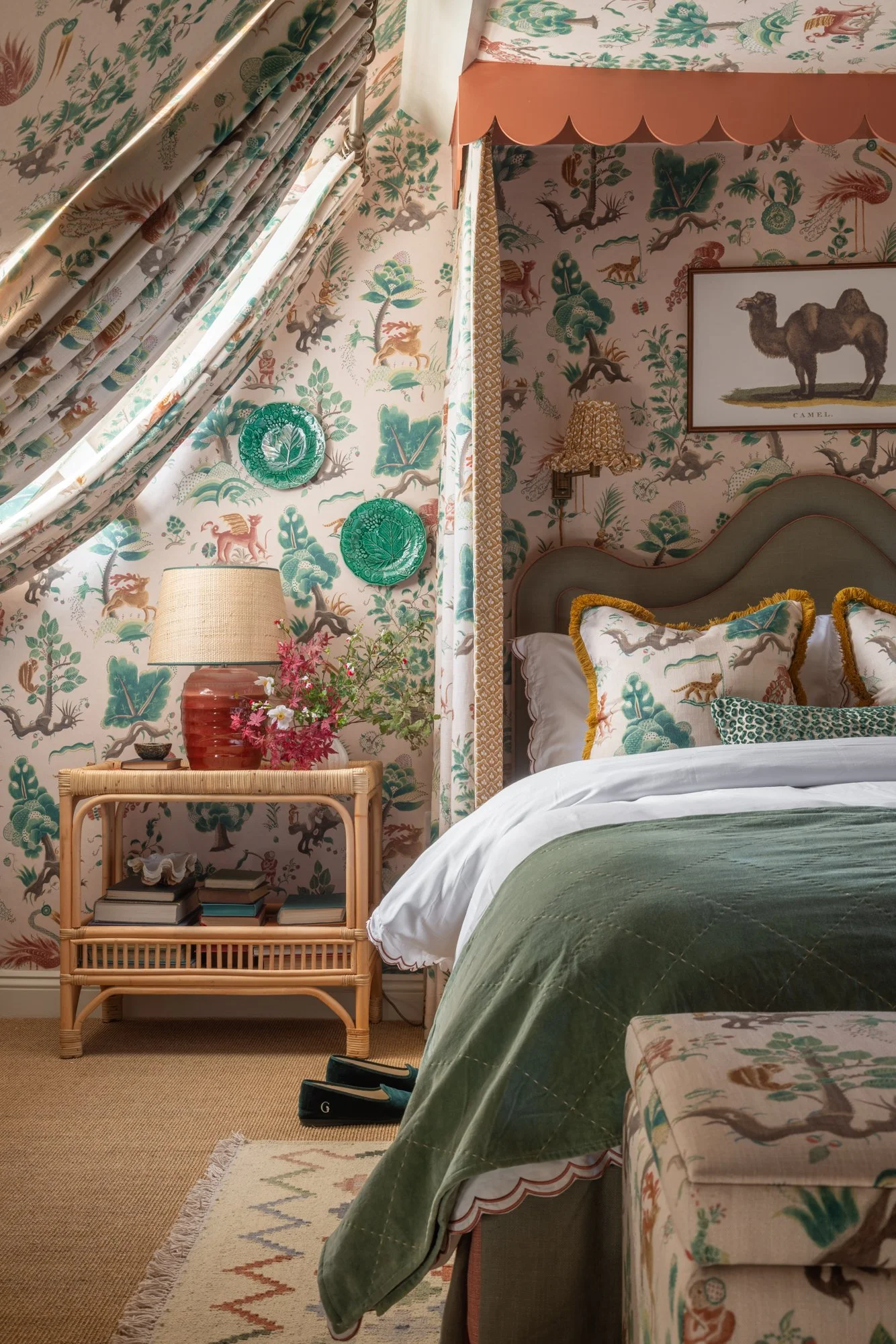
"Secured a full feature for this Tetbury Country Retreat" Visit case study
Narrative & Storytelling
Choose a narrative: Whether it be Country Bolt Hole or City Chic, establishing a narrative before a shoot ensures the images match the design intent.
Illustrating design choices: The photography should document the creative decisions and problem solving that define the project.
Property flow: Utilising hallways and through-views from one room to another creates connectivity, allowing the viewer to understand the flow of the home.
Tonal cohesion: A consistent approach to styling, lighting and composition creates an intentional visual guide to the property rather than a set of individual images.
Lived-in, not staged: Subtle styling cues such as open books or a glass of water, provide soul to the images without the need for models.
“The Professional Photographer” Expertise and experience
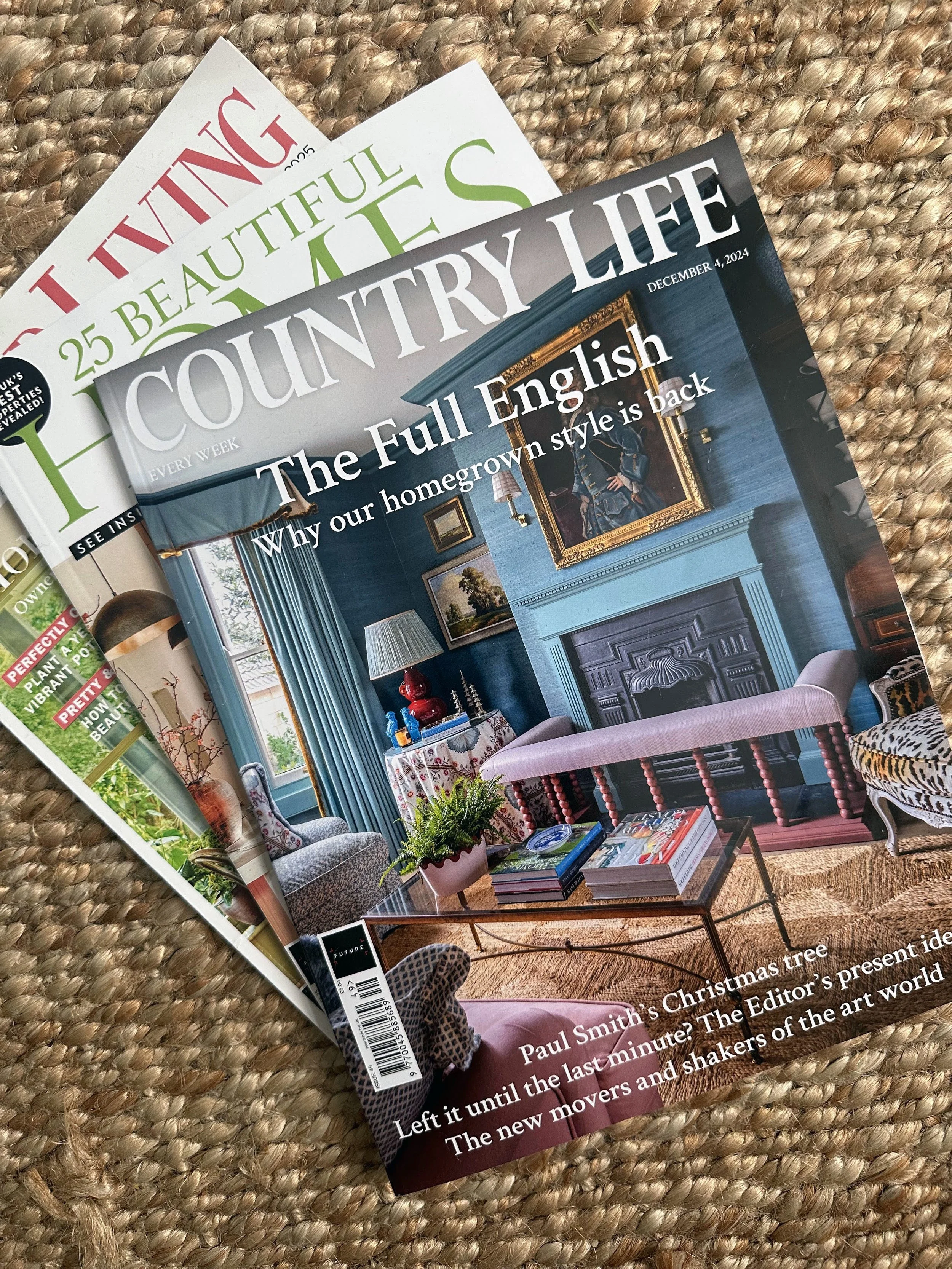
Credibility is important in our industry and using a photographer who has had their work published in dozens of magazines removes another barrier when pitching. I have been featured in many of the leading interior publications and supplements including House and Garden, Homes and Gardens, The Times, Period Living, Country Life, 25 Beautiful Homes and many more.
I believe consistency is one of the reasons I continue to be featured. Editors are always working to tight deadlines, so knowing the supplied files will be correctly rendered for both print and online is a major benefit of working with an experienced photographer. Print media requires a different format and colour profile to digital media; I have the equipment and knowledge to ensure the colour grading is up to standard and consistent.
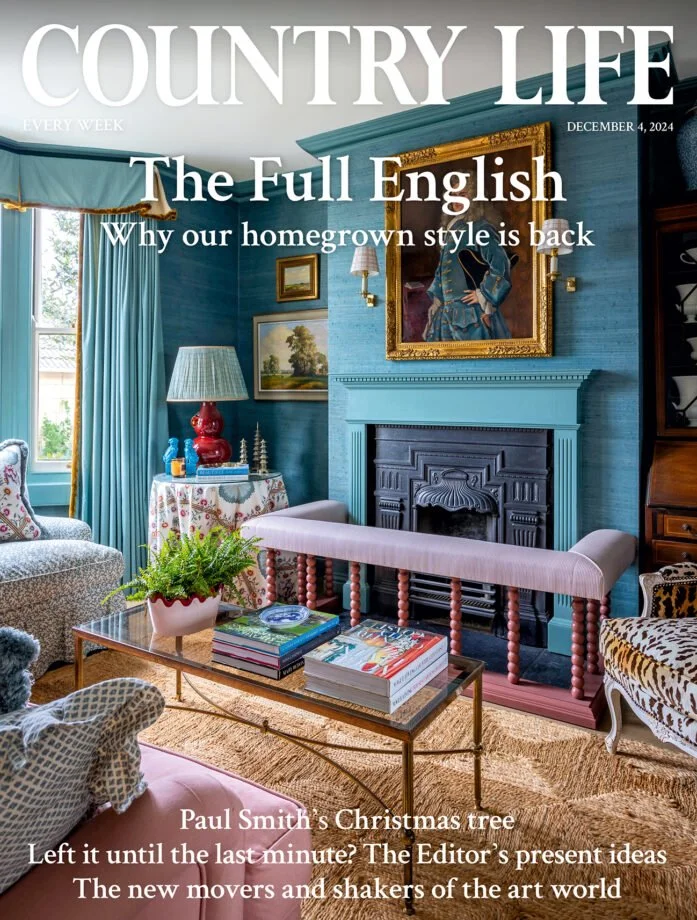
"Composing a cover image for Country Life magazine" Visit case study
Editorial standards
First impressions: An editor’s first impression is purely visual, so having a professional gallery of images removes the technical guesswork, allowing them to focus on your design.
Visual brand assets: Photoshoots are the creation of long-term assets rather than just project documentation. Each shoot builds on your brand’s visual library.
Editorial standards: Professional photography will meet the standards expected by industry-leading publications. Ensuring your work translates from screen to page without losing detail or colour accuracy.
Licencing for print: Always check you have the correct permissions for print. I provide editorial usage as standard, removing any friction when a magazine picks up your story.
Feature-ready photography: A curated gallery of images should tell the narrative of your project, making it effortless for an Art Director to visualise the layout of a feature.
“Magazine Ready” Composing for the Art Director
To maximise your project’s chances of being picked up for a feature, it’s important the magazines can visualise your project on their pages.
I make sure I have a number of portrait hero shots with negative vertical space for a potential cover, wider compositions that would feature on a double page, and plenty of vignettes which are often used to emphasise design choices and craftsmanship.
Providing this varierty within the final set of images makes an art director’s job easier when laying out a potential article. The trick is creating this variety whilst ensuring the styling and composition remain consistent, building a cohesive narrative of the project as a whole.

"This Suffolk Farmhouse had multi-publication success" Visit case study
Photography for features
Compose for the cover: Make sure you have a hero image with a strong focal point, captured in portrait with an eye for a magazine cover.
Masthead spacing: Leaving “quiet” space at the top of a vertical image to accommodate titles and headings without detracting from the composition.
Double-page spreads: Although we tend to favor portrait compositions over landscape, a well thought out horizontal image considering the central page fold may lend itself to a double page spread.
Variety of composition: A complementary mix of wide, medium and detail vignettes gives more options to the Art Director who will be looking at the visual pacing and layout of a feature.
A comprehensive gallery: Delivering a diverse, but consistent gallery of images will give the editorial team everything they need to build a compelling feature about your project.
“Pitch with Confidence” Magazine-ready images
Every publication that features my work deepens my understanding of what it takes to photograph interior design projects for print. By combining a strong visual narrative with years of industry experience, I provide my clients with comprehensive sets of images that help them approach and pitch to editors with confidence.
Let's discuss how we can document your next project for editorial success
Knowledge Base

Planning for a seamless photoshoot
Planning ahead, adapting on the day, and refining in post-production.
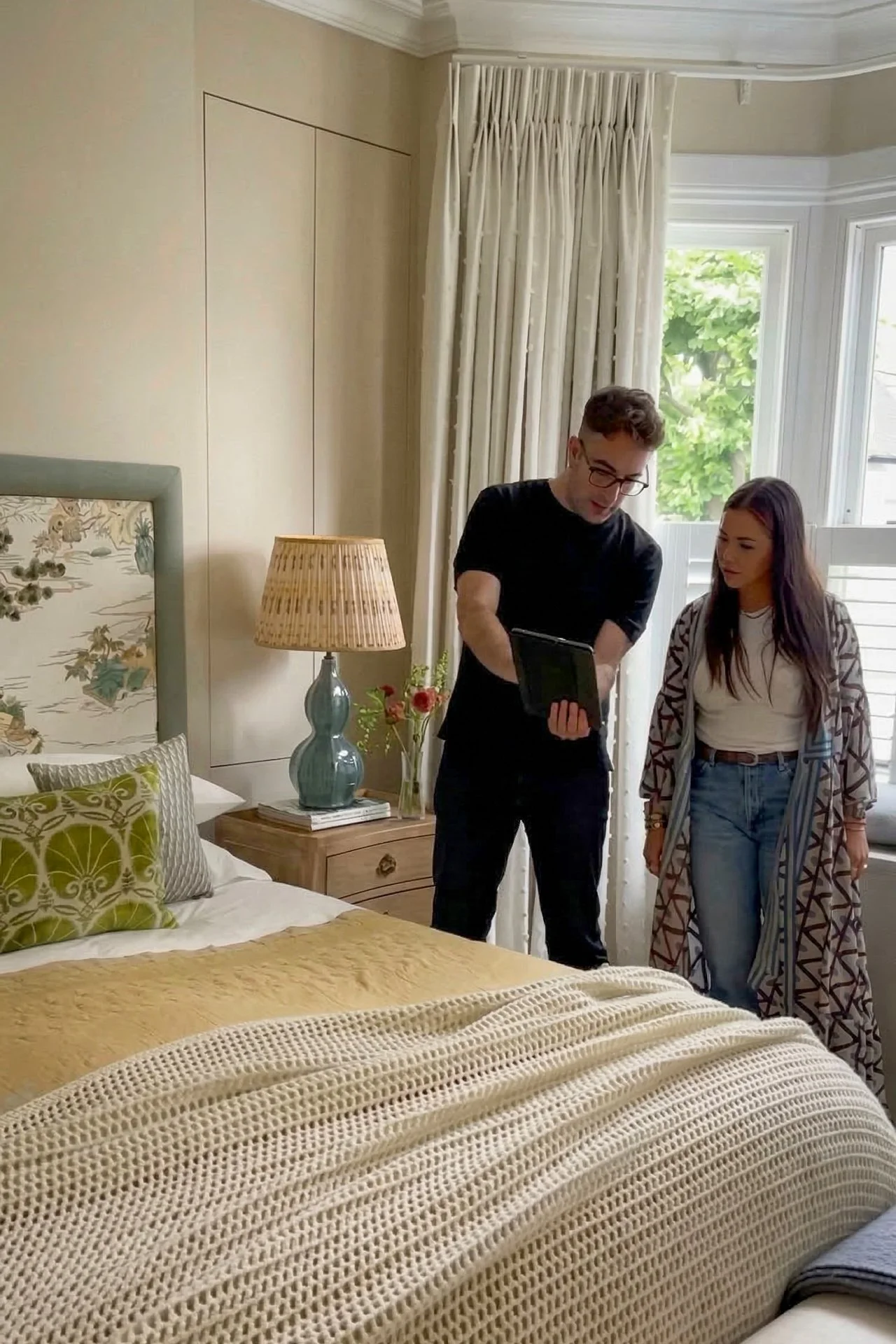
The Art of Interpreting Interior Design
Collaborating with your photographer to create high quality imagery.
Chris Wakefield Photography
More about me, my clients, services, portfolio and how I work.